In the late 1980s, as Russian productivity shrank and mouldered, a rocket scientist called Vladimir Syromyatnikov proposed a remedy: he would lengthen the working day by lengthening the day itself. Project Znamya survived the fall of the Soviet Union and — backed by a consortium of oligarchs — underwent a successful test in 1993, when the Mir space station was used to unfurl a huge flower of reflective polyester in the thermosphere. Cosmonauts saw a 5km-wide beam of light rake across the surface of the Earth. Syromyatnikov was poised to abolish the night; to allow work to conquer sleep.
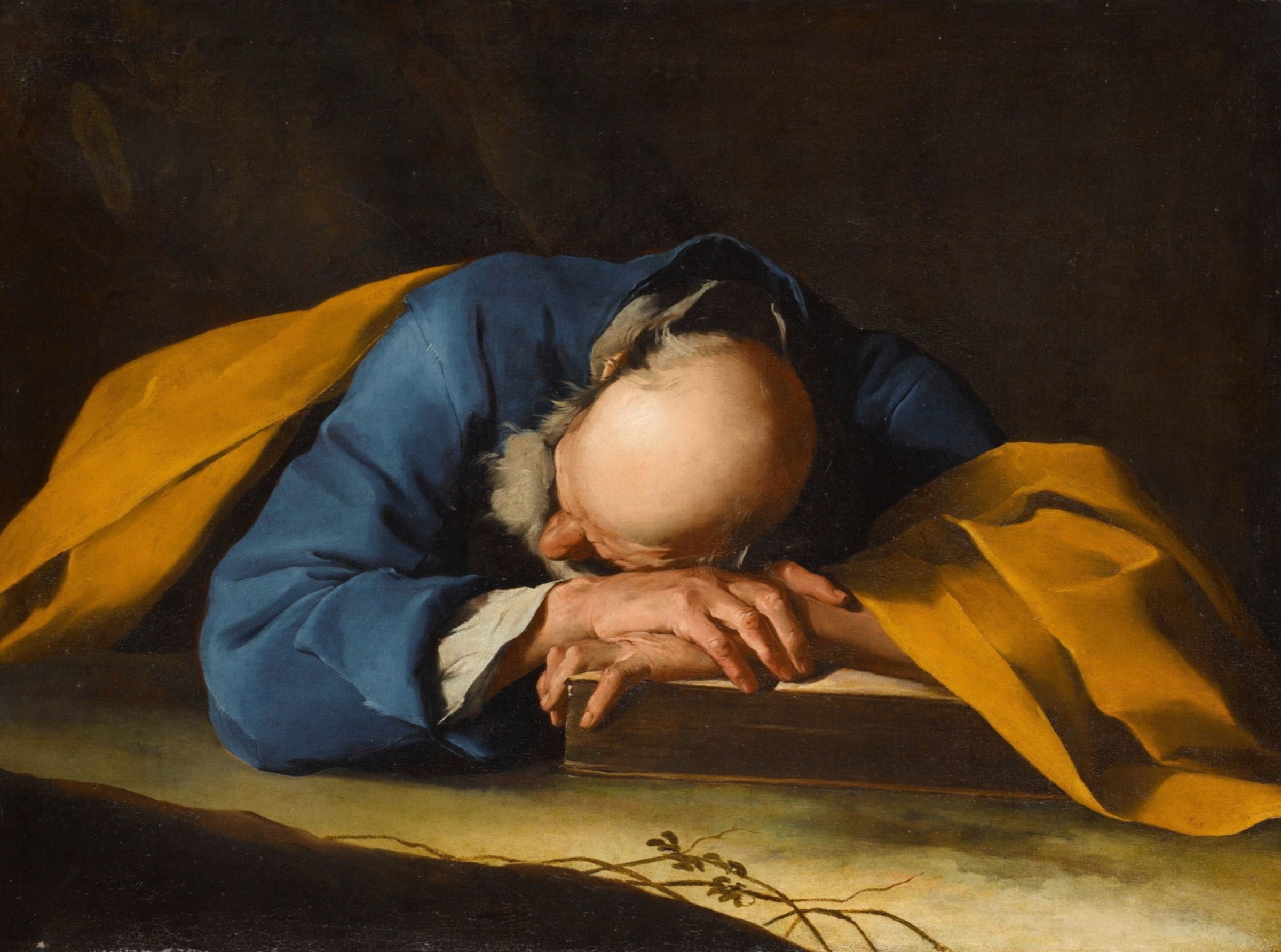
To Laura Bossi, a neuroscientist and historian of science, the story of Syromyatnikov is a nightmare; an emblem of how sleep has been misconceived as a problem to be overcome. Empire of Sleep, the new show she has co-curated at the Musée Marmottan Monet in Paris, will use art to articulate a history of sleep, and argue that our unwaking lives are as valuable as our waking ones; morally as well as biologically essential. “Sleep is an active state,” she says. “But the Devil is an insomniac.”