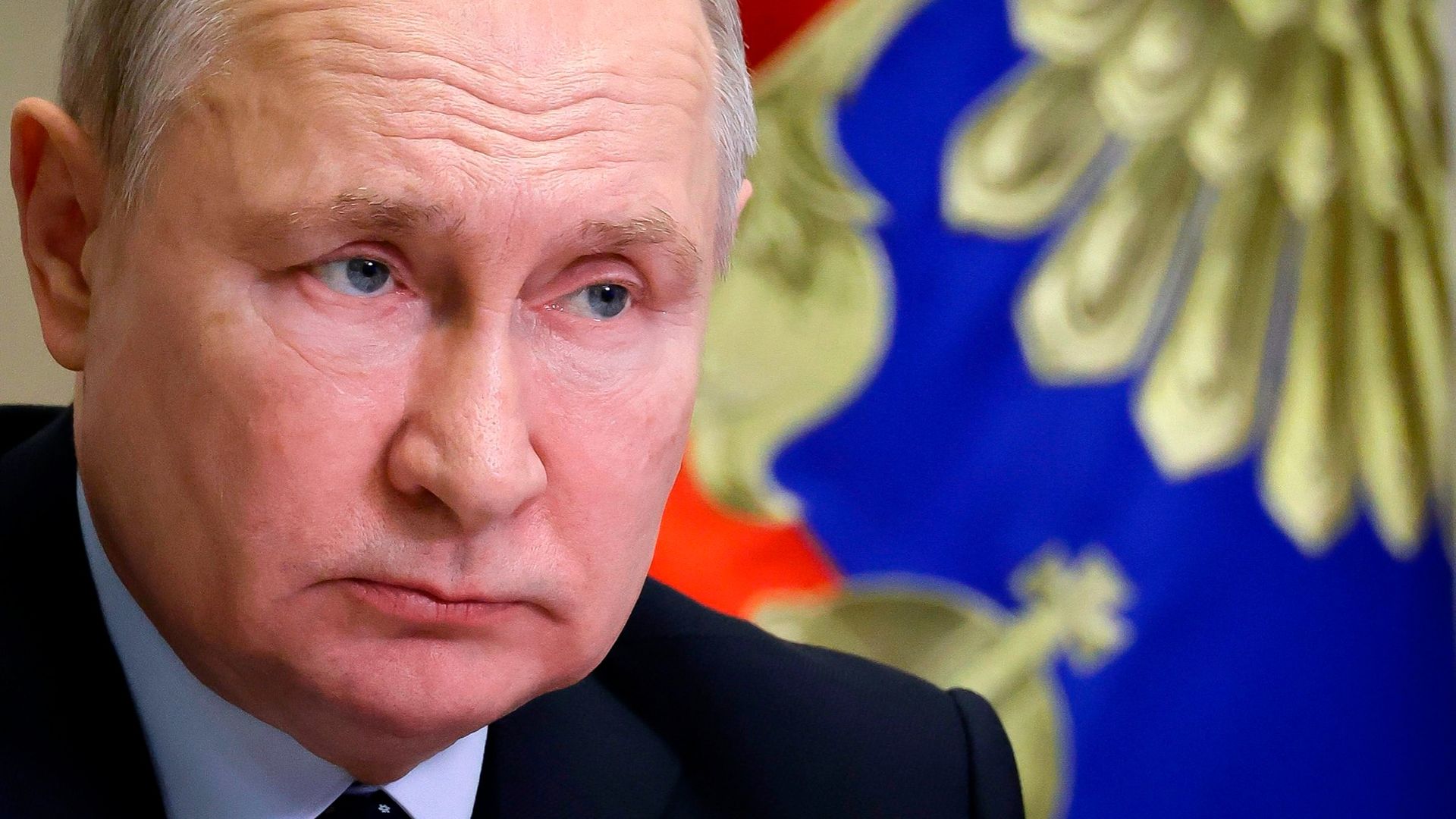
Russia’s presidential election in March will not be an election, in the sense of a genuinely competitive contest, at all. Every Russian voter knows in advance that President Vladimir Putin will win. This ritual will nonetheless throw useful light on four aspects of the country’s political system — sycophancy, persecution, vulgarity and conspiracy theories.
Another six-year presidential term will mean that by 2030, if he is still alive and in office, Putin will have led Russia for 30 years, longer than dictator Joseph Stalin’s 1924-1953 rule. But the election’s purpose is not simply to demonstrate that Putin, who turned 71 in October, is in total control, or even to legitimise his war of attempted conquest in Ukraine. By making Russians participate in a vote whose outcome is a foregone conclusion, the apparatus of power aims to show that Putin’s autocracy rests on the acquiescence or, better, the active support of the people.